LG Electronics (LG) will commence the global rollout of its slim metal smartphone, LG Zero¹, starting this week in Taiwan followed by other key markets in Asia, Europe and Latin America. First introduced to Korean customers in September, the LG Zero inherits the advanced camera technology and exclusive UX features of the LG G Series and introduces a full metal body for a more advanced and modern experience.
The exceptional build quality of the LG Zero is highlighted by its solid aluminum body which gives the LG Zero a premium look and feel. This newest smartphone’s smooth metal body is enhanced by the “Arc Glass” design of the edges which create a slimmer profile. Complementing the solid aluminum exterior is a 5.0-inch In-Cell Touch IPS display which delivers faster recognition, better outdoor visibility and crisper images.
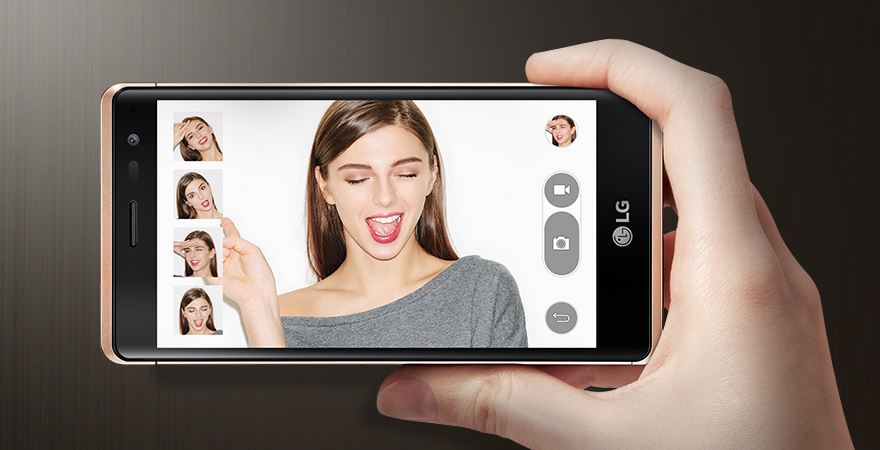
LG Zero offers best-in-class camera features adopted from the highly acclaimed G4, resulting in maximum photo resolution, shutter speed and sharpness. The 8MP front camera allows for brighter and clearer selfies while the 13MP rear camera delivers many of the same attributes of a standalone camera. Fans of popular G Series features such as Gesture Shot, Gesture View and Gesture Interval Shot will be delighted to find these options in the LG Zero as well.
“At LG, we do not believe in limiting our best technology to just our flagship devices,” said Juno Cho, president and CEO of LG Electronics Mobile Communications Company. “The LG Zero exhibits innovation not only in its design but in its ability to offer premium features at a competitive price point.”
Prices and participating carriers will be announced locally at the time of availability.
Key Specifications²
Display: 5.0-inch HD In-cell Touch (1280 x 720, 294ppi)
Chipset: 1.2GHz Quad-Core Processor
Camera: Rear 13MP / Front 8MP
Memory: 1.5GB LPDDR3 RAM / 16GB eMMC ROM / MicroSD
Battery: 2,050mAh
Operating System: Android 5.1 Lollipop
Size: 142 x 71.8 x 7.4mm
Weight: 147g
Network: LTE / HSPA+ / GSM
Connectivity: Wi-Fi 802.11 b, g, n / Bluetooth 4.1 / USB 2.0
Colors: Silver / Gold
The exceptional build quality of the LG Zero is highlighted by its solid aluminum body which gives the LG Zero a premium look and feel. This newest smartphone’s smooth metal body is enhanced by the “Arc Glass” design of the edges which create a slimmer profile. Complementing the solid aluminum exterior is a 5.0-inch In-Cell Touch IPS display which delivers faster recognition, better outdoor visibility and crisper images.
LG Zero offers best-in-class camera features adopted from the highly acclaimed G4, resulting in maximum photo resolution, shutter speed and sharpness. The 8MP front camera allows for brighter and clearer selfies while the 13MP rear camera delivers many of the same attributes of a standalone camera. Fans of popular G Series features such as Gesture Shot, Gesture View and Gesture Interval Shot will be delighted to find these options in the LG Zero as well.
“At LG, we do not believe in limiting our best technology to just our flagship devices,” said Juno Cho, president and CEO of LG Electronics Mobile Communications Company. “The LG Zero exhibits innovation not only in its design but in its ability to offer premium features at a competitive price point.”
Prices and participating carriers will be announced locally at the time of availability.
Key Specifications²
Display: 5.0-inch HD In-cell Touch (1280 x 720, 294ppi)
Chipset: 1.2GHz Quad-Core Processor
Camera: Rear 13MP / Front 8MP
Memory: 1.5GB LPDDR3 RAM / 16GB eMMC ROM / MicroSD
Battery: 2,050mAh
Operating System: Android 5.1 Lollipop
Size: 142 x 71.8 x 7.4mm
Weight: 147g
Network: LTE / HSPA+ / GSM
Connectivity: Wi-Fi 802.11 b, g, n / Bluetooth 4.1 / USB 2.0
Colors: Silver / Gold